
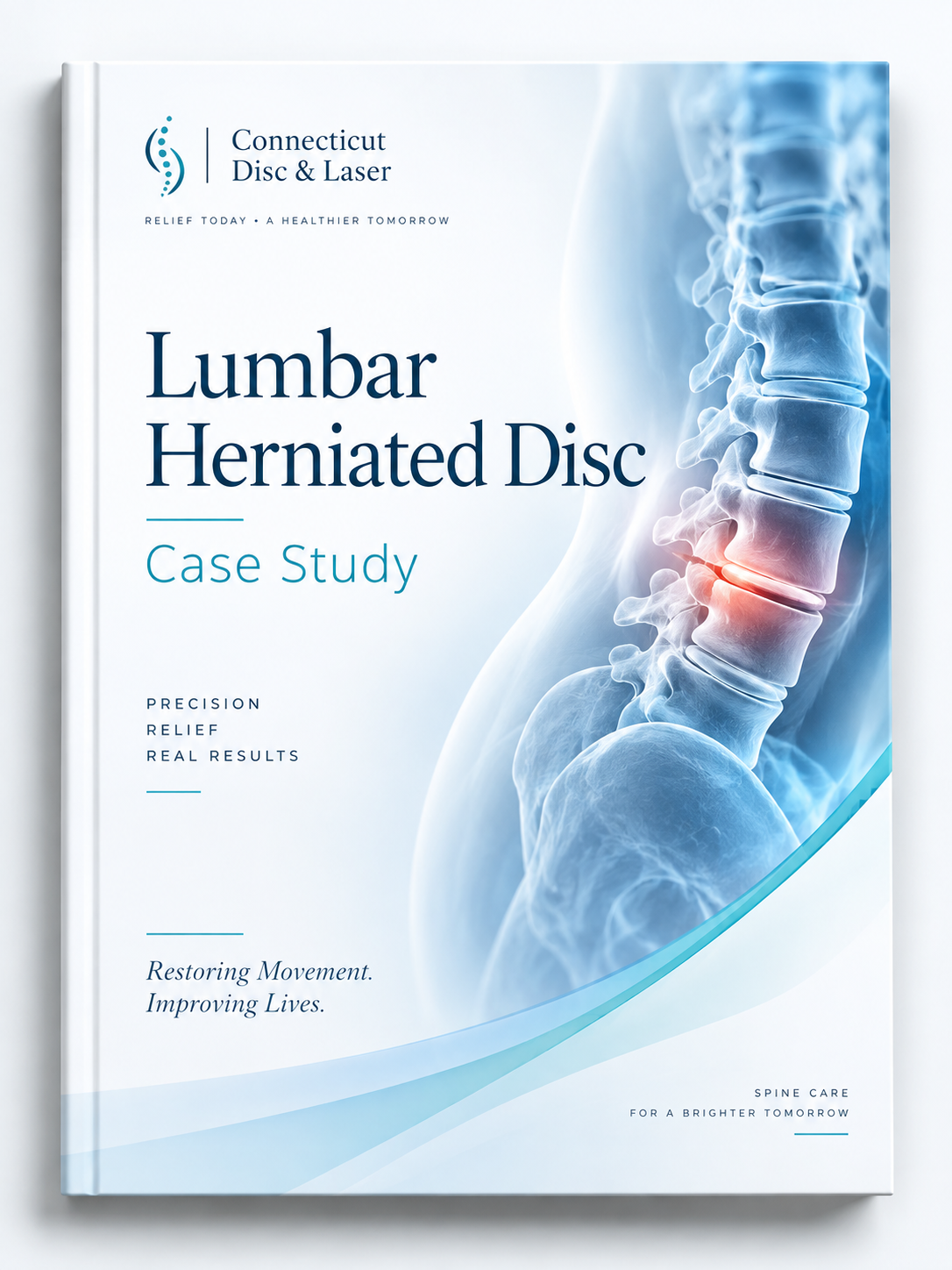
Case Study 01
Lumbar Herniated Disc Case Study
A patient-education case study focused on lumbar disc findings and the clinical context used when evaluating disc-related symptoms.
View case study ›Non-Surgical Spinal Decompression · Shelton, CT
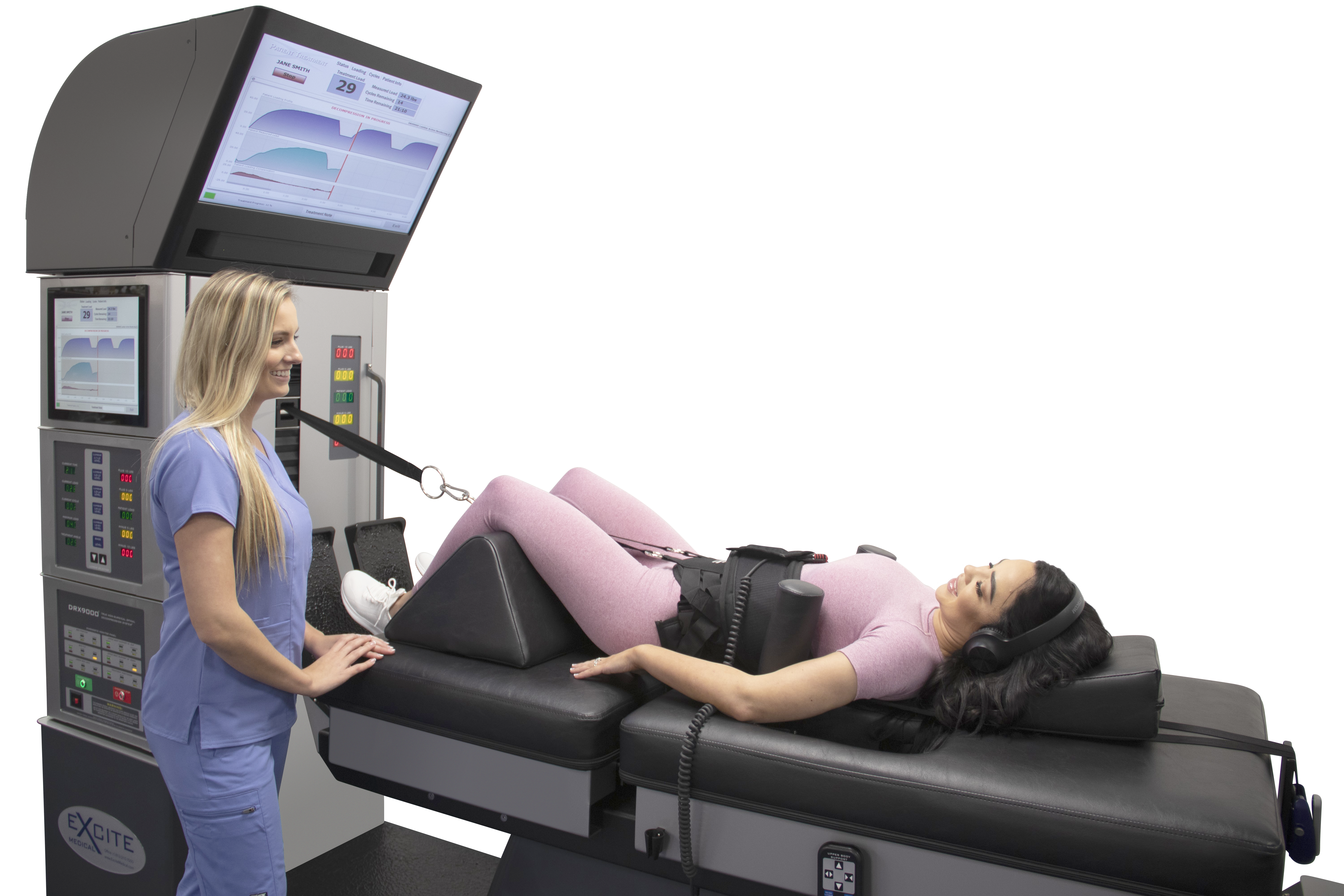
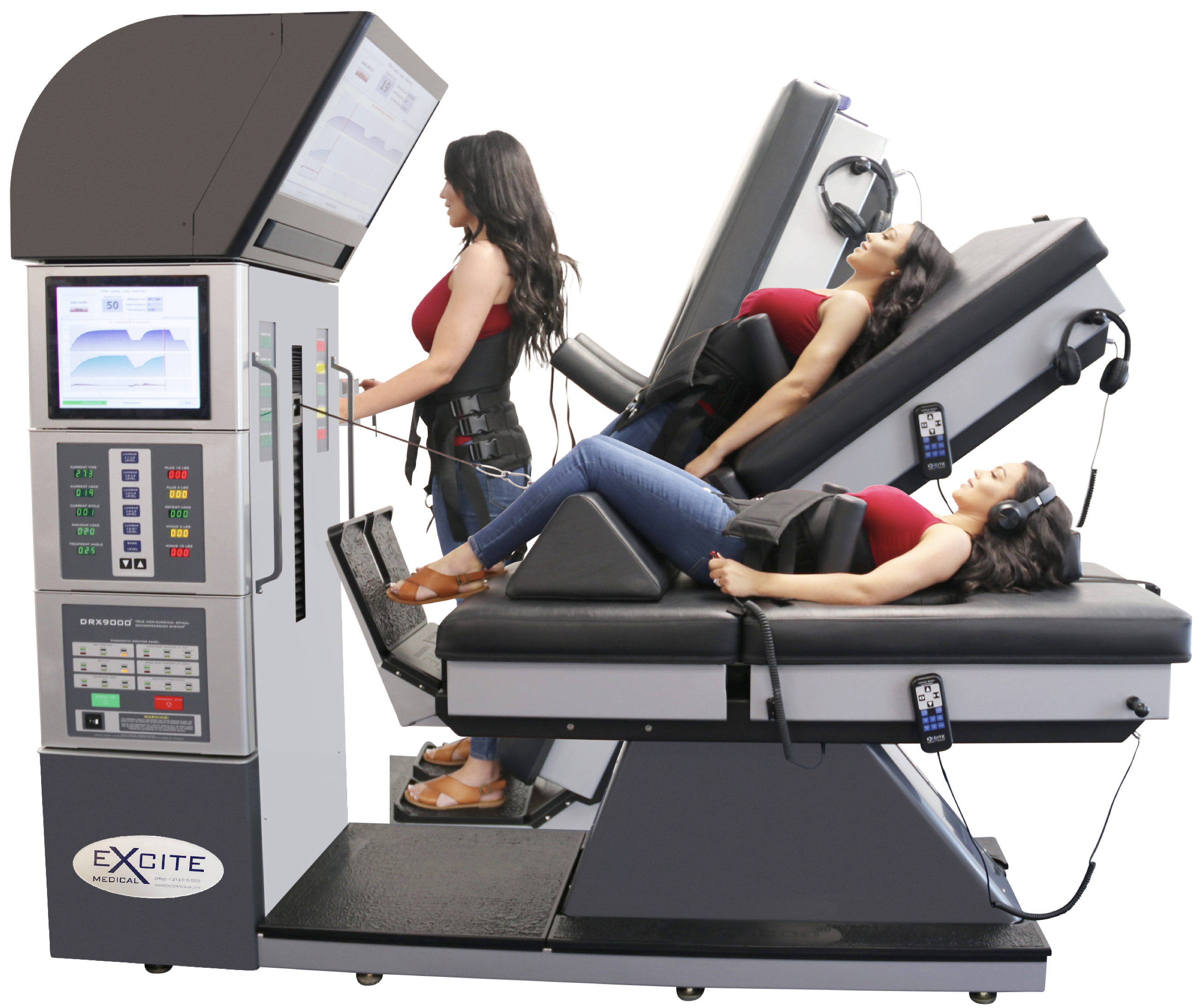
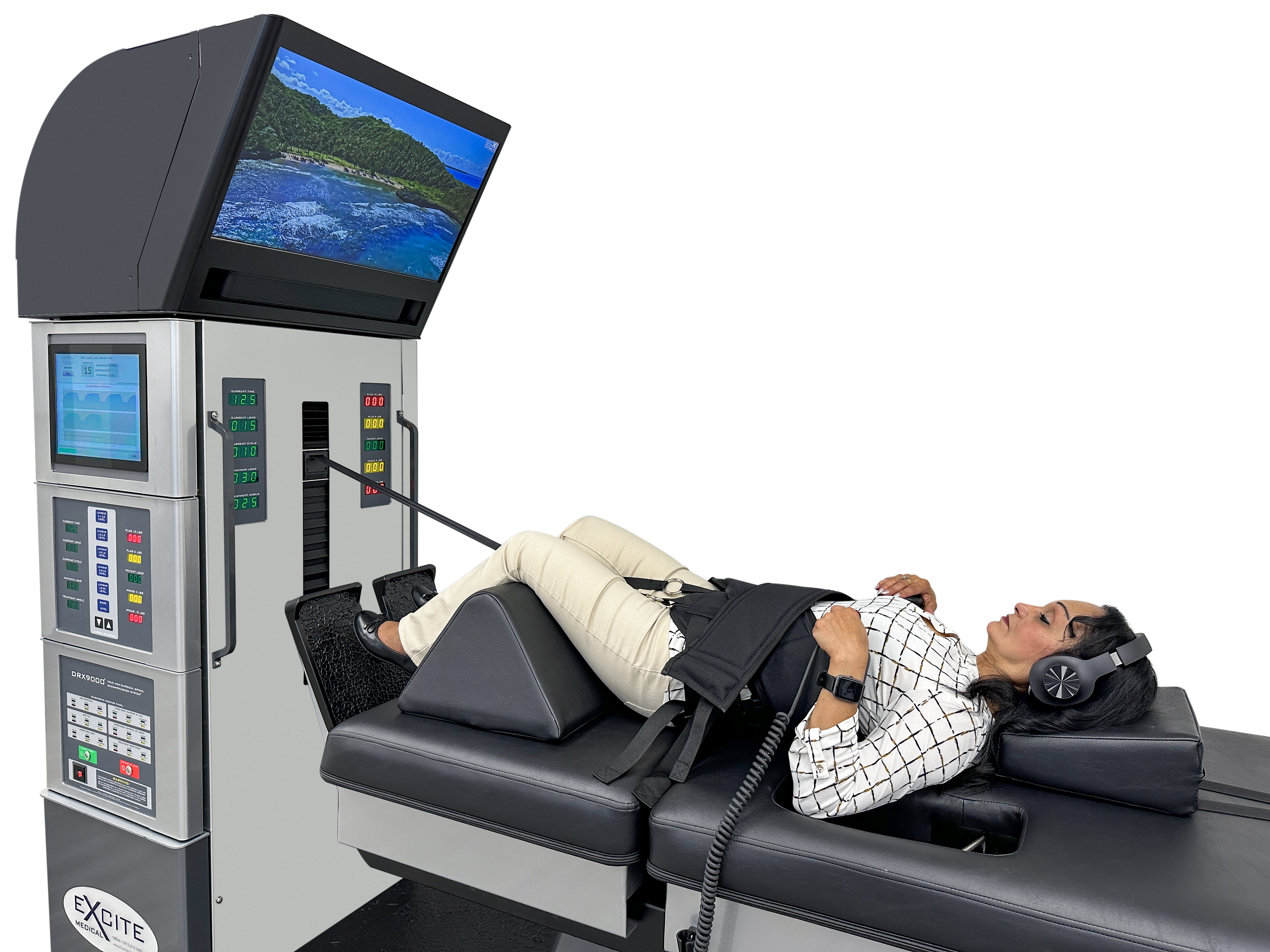
The DRX9000 is a non-surgical spinal decompression system used for properly selected patients with disc-related neck, back and nerve symptoms. Treatment is designed to apply controlled decompression to targeted spinal levels without injections or surgery.
The idea behind decompression
Non-surgical spinal decompression gently stretches and decompresses the spine in a controlled way. The goal is to reduce pressure within an affected disc and create an environment that may help irritated nerves calm down.
Discover the DRX9000
If you are dealing with a herniated disc, bulging disc, degenerative disc disease, sciatica, spinal stenosis, chronic lower back pain or chronic neck pain, you may be looking for an option besides medication, injections or surgery.
The DRX9000 allows treatment to be directed toward specific spinal levels based on your symptoms, examination and available imaging. The first step is determining whether your condition is appropriate for this type of care.
How spinal decompression works
Non-surgical spinal decompression works by gently stretching and decompressing the spine in a controlled way. The DRX9000 allows us to target specific spinal levels based on your condition, symptoms and evaluation.
Not every disc problem is the same, and not every patient needs the same treatment plan. For properly selected patients, reducing disc pressure may help with symptoms such as back pain, neck pain, sciatica, leg pain, arm pain, numbness and tingling.
Common reasons patients ask about DRX9000
A careful evaluation helps determine whether spinal decompression is appropriate for the specific condition behind your symptoms.
Disc material can irritate nearby nerves and contribute to back, neck, arm or leg symptoms.
Disc changes may contribute to pain or nerve irritation depending on location and severity.
Radiating leg symptoms may be associated with irritation of spinal nerve roots.
Age- and stress-related disc changes can affect motion, comfort and spinal loading.
Some patients with narrowing around spinal structures may ask about non-surgical options.
Persistent symptoms deserve an evaluation to determine whether disc or nerve involvement is present.
What to expect
Dr. Dalfino reviews your symptoms, history, exam findings and available imaging.
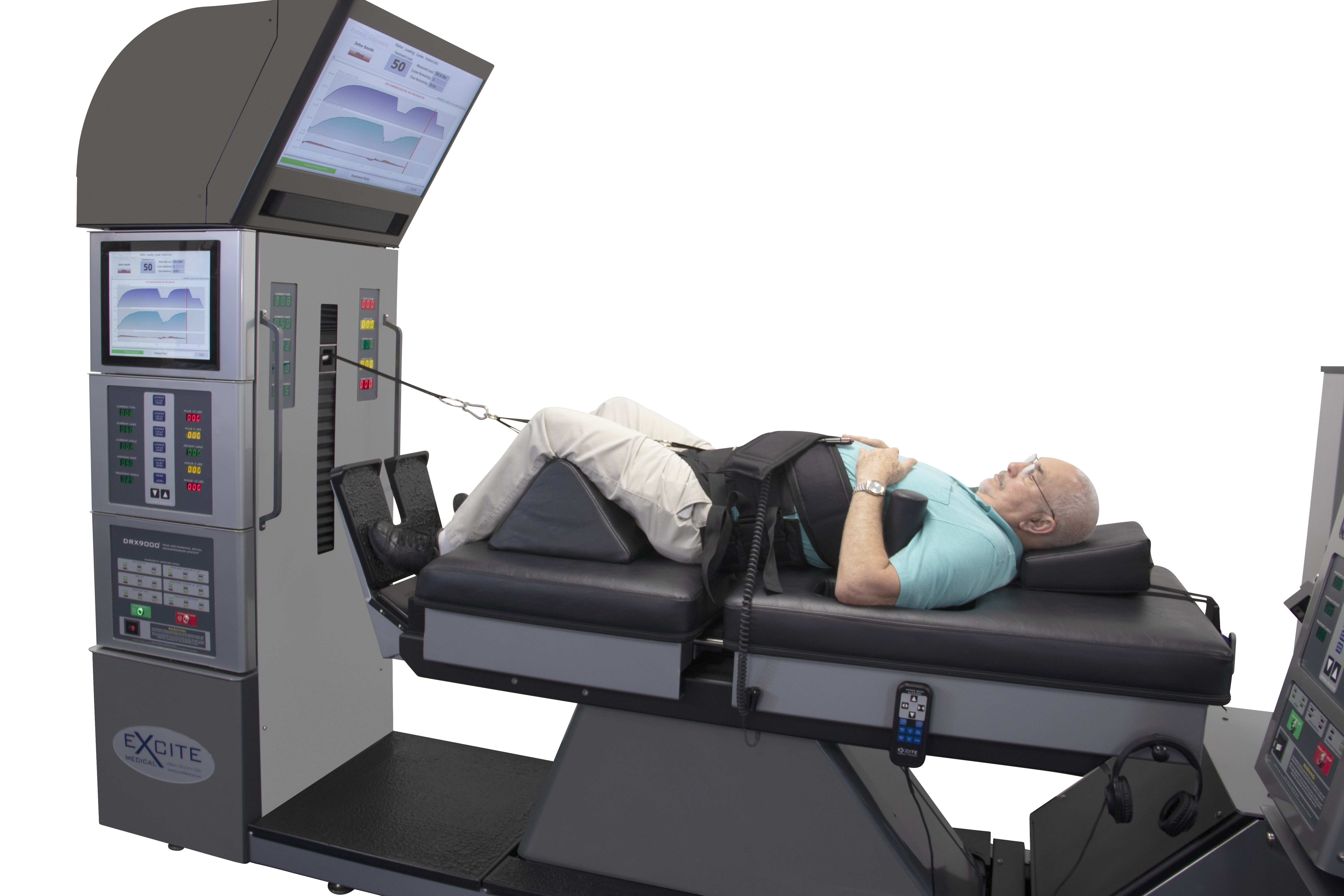
You are fitted comfortably on the DRX9000 using upper and lower support harnesses.
The system applies controlled decompression to the targeted spinal area.
Most sessions are approximately 20–30 minutes, with frequency customized to the individual.
During treatment
Patients typically remain comfortable during treatment. The system gently positions the body and applies the programmed decompression force to the selected spinal level.
You will also receive guidance on what to do — and what to avoid — outside the office to help support the treatment plan.
Why Connecticut Disc & Laser
Patients often come to us after trying medications, injections, physical therapy, chiropractic care or after being told surgery may be the next step.
With more than 25 years of clinical experience, Dr. James Dalfino evaluates the underlying problem, determines whether you are a candidate for care and builds the plan around your condition, goals and daily life.
Imaging examples
Imaging can help provide context when evaluating disc-related conditions. Individual findings and responses to treatment vary, so images should be interpreted together with symptoms, examination and clinical history.
Case Study 01
A patient-education case study focused on lumbar disc findings and the clinical context used when evaluating disc-related symptoms.
View case study ›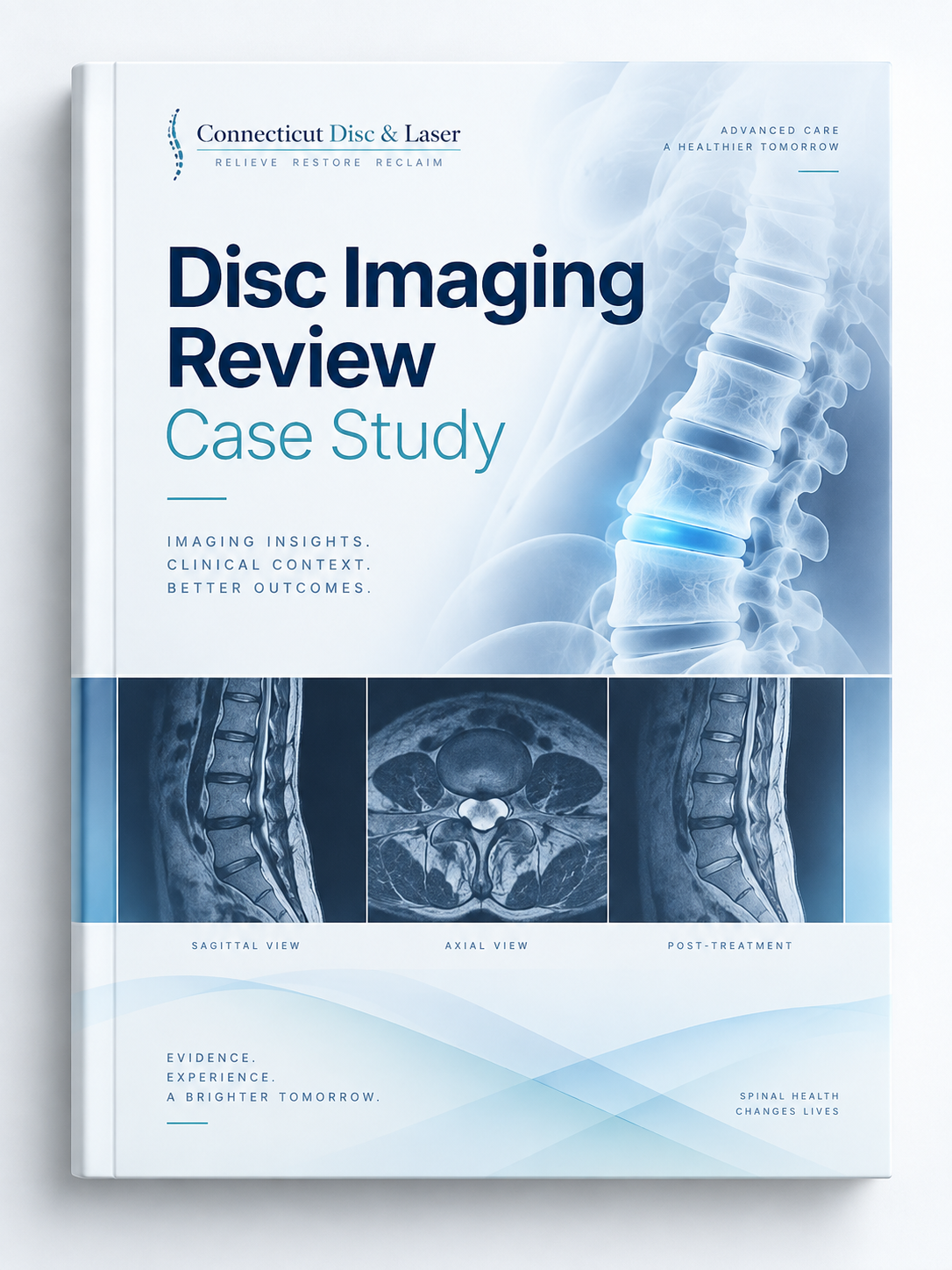
Case Study 02
A visual case-study reference showing how disc imaging may be reviewed alongside symptoms, examination findings and clinical history.
View case study ›Case-study material is provided for education only. Individual findings, treatment recommendations and outcomes vary.

Clinical evaluation first
Before beginning care, Dr. Dalfino reviews your symptoms, history, examination findings and available imaging to determine whether spinal decompression may be appropriate. Some patients are good candidates; others may need a different approach.
Dr. James Dalfino · Clinic Director · 25+ years of clinical experience
Disc treatment FAQ
Frequently asked questions about non-surgical spinal decompression with the DRX9000 in Shelton, CT.
Patients with persistent or recurrent symptoms related to conditions such as herniated discs, bulging discs or degenerative disc disease may be considered. Candidacy depends on the individual history, examination, imaging when available and the absence of contraindications.
Sessions commonly take approximately 20–30 minutes. The overall frequency and duration of care are individualized based on the condition and response to treatment.
Response varies. Some patients notice symptom changes relatively early in care, while others may require more time. No specific response or timeline can be guaranteed.
Lower back pain has many possible causes, including disc degeneration, disc herniation, injury, mechanical stress and other spinal or musculoskeletal conditions. An evaluation is needed to determine the likely source of symptoms.
Yes. Pregnancy and certain infections, diseases, structural conditions or other medical factors may make spinal decompression inappropriate. A consultation and examination are used to determine whether the treatment is suitable.
Some patients may notice temporary soreness or stiffness after treatment. The expected response varies by individual, which is another reason the treatment plan should be monitored clinically.
Start with an evaluation
Start with a one-on-one consultation and examination at Connecticut Disc & Laser Therapy Centers in Shelton.
New Patient Special
Consultation · Examination · Report of Findings · First Treatment
Schedule My New Patient Visit